HomeStore
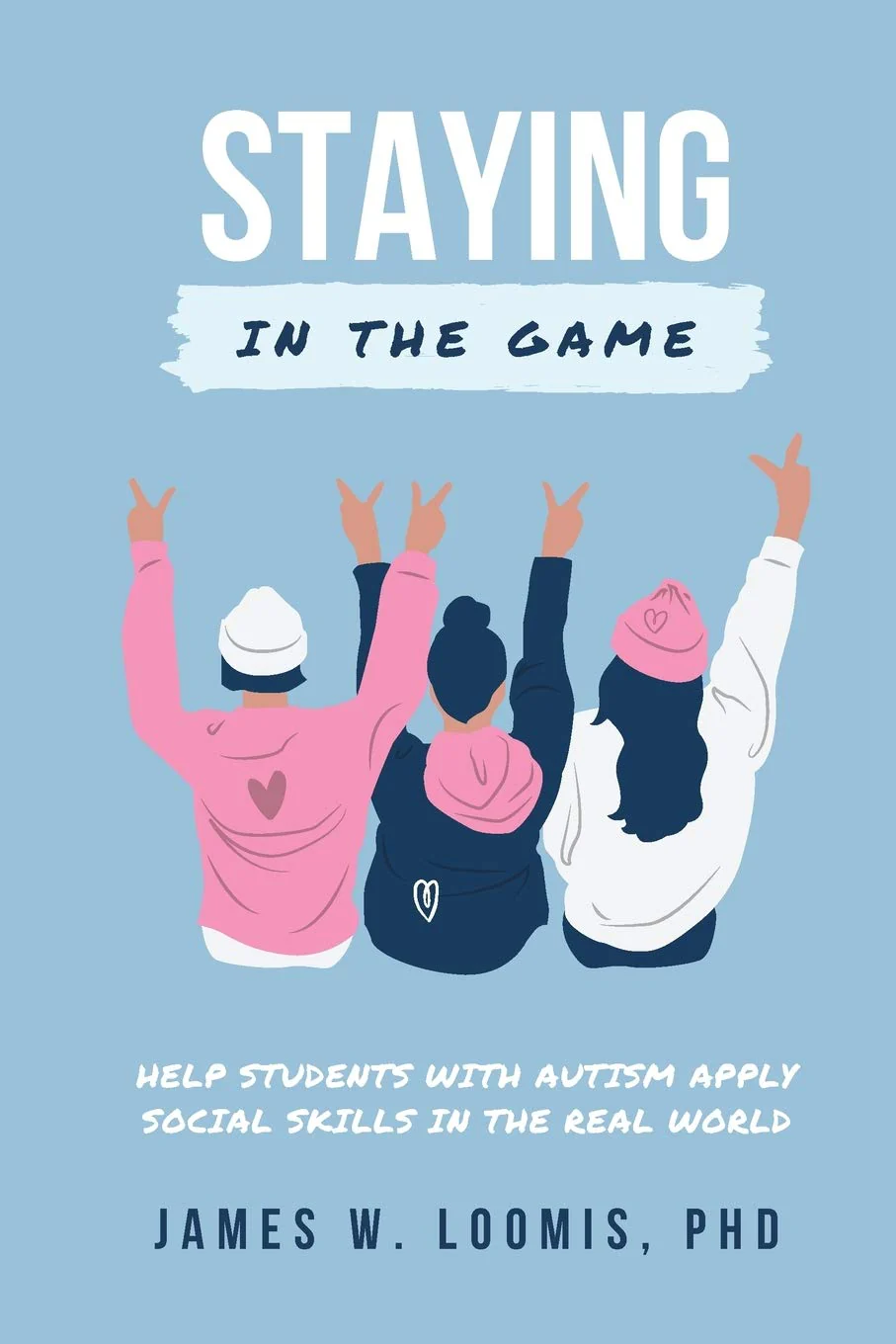
Staying in the Game: Providing Social Opportunities for Children and Adolescents With Autism Spectrum Disorders and Other Developmental Disabilities
Staying in the Game: Providing Social Opportunities for Children and Adolescents With Autism Spectrum Disorders and Other Developmental Disabilities
$1.77
Original: $5.89
-70%Staying in the Game: Providing Social Opportunities for Children and Adolescents With Autism Spectrum Disorders and Other Developmental Disabilities—
$5.89
$1.77The Story
Staying in the Game picks up where many social skills training programs leave off – with generalization. The book addresses this void by presenting a range of interventions aimed at promoting generalization of social skills by showing how to establish social situations that can be opportunities for generalization.Chapter 1 presents the principles upon which Staying in the Game is based and describes a model to guide efforts to enable successful generalization. Chapters 2 and 3 look at the process of identifying and assessing social opportunities and ensuring success. Chapters 4, 5, 6, and 7 each addresses one type of intervention: group-based work (Chapter 4), interventions by staff and parents (Chapter 5), using peer mentors (Chapter 6), and adapting extracurricular activities (Chapter 7). Chapter 8: Concludes with an overview of how to provide social opportunities.The focus of Staying in the Game goes beyond just placing students in the mainstream, to include taking advantage of inclusion by facilitating the use of typical students to address generalization of social skills – one of the most profound challenges for individuals with autism and other developmental disabilities.
ASIN: 1934575291
VSKU: BVV.1934575291.A
Condition: Acceptable
Author/Artist:Loomis, James W., Ph.d.
Binding: Paperback
Note: Any images shown are stock photographs and product may differ from what is shown.
Condition Notes: The item is very worn but is perfectly usable. Signs of wear can include aesthetic issues such as scratches, dents, worn and creased covers, folded page corners and minor liquid stains. All pages and the cover are intact, but the dust cover may be missing. Pages may include moderate to heavy amount of notes and highlighting, but the text is not obscured or unreadable. Page edges may have foxing age related spots and browning . May NOT include discs, access code or other supplemental materials.
ASIN: 1934575291
VSKU: BVV.1934575291.A
Condition: Acceptable
Author/Artist:Loomis, James W., Ph.d.
Binding: Paperback
Note: Any images shown are stock photographs and product may differ from what is shown.
Condition Notes: The item is very worn but is perfectly usable. Signs of wear can include aesthetic issues such as scratches, dents, worn and creased covers, folded page corners and minor liquid stains. All pages and the cover are intact, but the dust cover may be missing. Pages may include moderate to heavy amount of notes and highlighting, but the text is not obscured or unreadable. Page edges may have foxing age related spots and browning . May NOT include discs, access code or other supplemental materials.
Description
Staying in the Game picks up where many social skills training programs leave off – with generalization. The book addresses this void by presenting a range of interventions aimed at promoting generalization of social skills by showing how to establish social situations that can be opportunities for generalization.Chapter 1 presents the principles upon which Staying in the Game is based and describes a model to guide efforts to enable successful generalization. Chapters 2 and 3 look at the process of identifying and assessing social opportunities and ensuring success. Chapters 4, 5, 6, and 7 each addresses one type of intervention: group-based work (Chapter 4), interventions by staff and parents (Chapter 5), using peer mentors (Chapter 6), and adapting extracurricular activities (Chapter 7). Chapter 8: Concludes with an overview of how to provide social opportunities.The focus of Staying in the Game goes beyond just placing students in the mainstream, to include taking advantage of inclusion by facilitating the use of typical students to address generalization of social skills – one of the most profound challenges for individuals with autism and other developmental disabilities.
ASIN: 1934575291
VSKU: BVV.1934575291.A
Condition: Acceptable
Author/Artist:Loomis, James W., Ph.d.
Binding: Paperback
Note: Any images shown are stock photographs and product may differ from what is shown.
Condition Notes: The item is very worn but is perfectly usable. Signs of wear can include aesthetic issues such as scratches, dents, worn and creased covers, folded page corners and minor liquid stains. All pages and the cover are intact, but the dust cover may be missing. Pages may include moderate to heavy amount of notes and highlighting, but the text is not obscured or unreadable. Page edges may have foxing age related spots and browning . May NOT include discs, access code or other supplemental materials.
ASIN: 1934575291
VSKU: BVV.1934575291.A
Condition: Acceptable
Author/Artist:Loomis, James W., Ph.d.
Binding: Paperback
Note: Any images shown are stock photographs and product may differ from what is shown.
Condition Notes: The item is very worn but is perfectly usable. Signs of wear can include aesthetic issues such as scratches, dents, worn and creased covers, folded page corners and minor liquid stains. All pages and the cover are intact, but the dust cover may be missing. Pages may include moderate to heavy amount of notes and highlighting, but the text is not obscured or unreadable. Page edges may have foxing age related spots and browning . May NOT include discs, access code or other supplemental materials.