$8.80
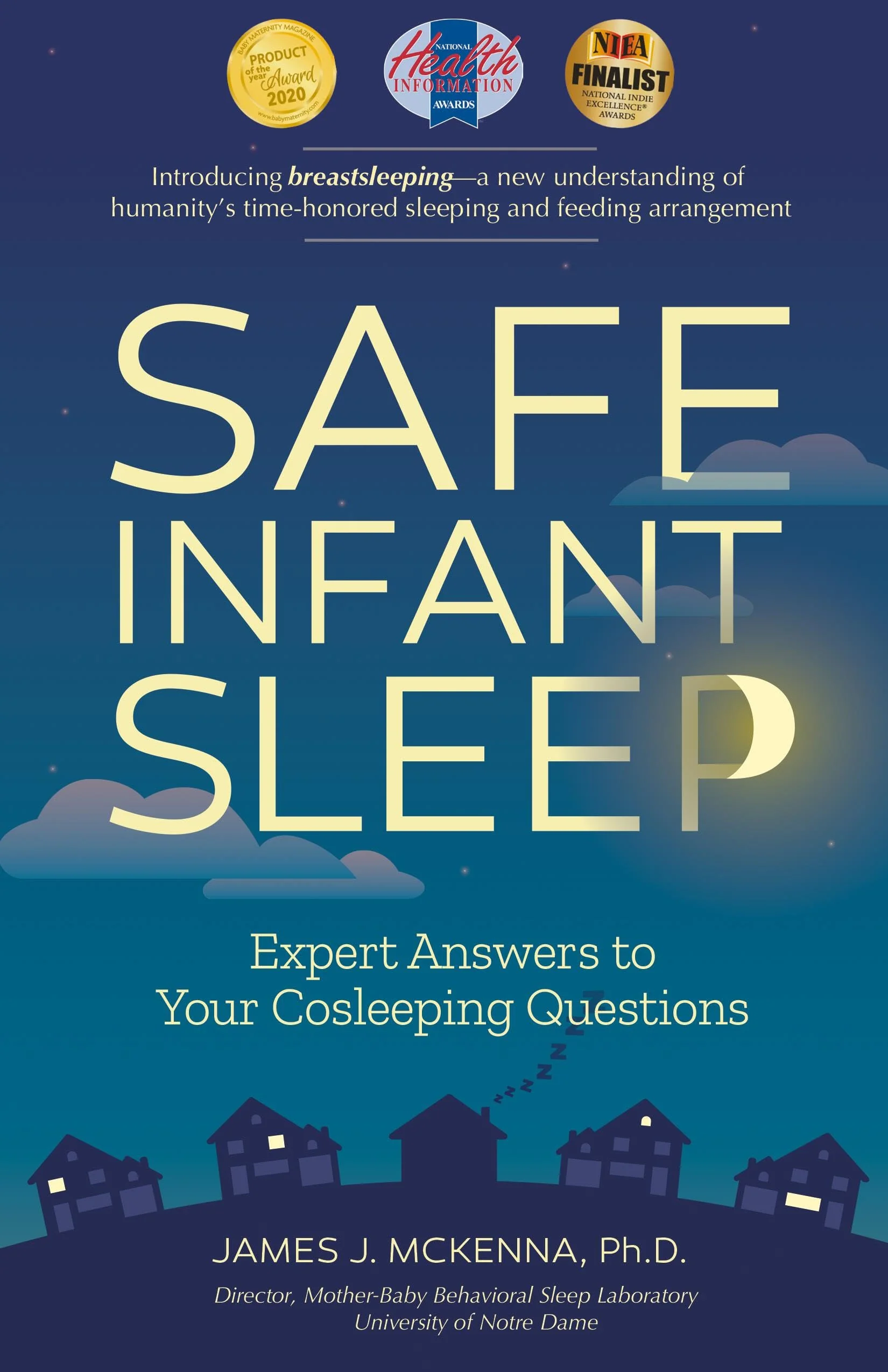
Safe Infant Sleep: Expert Answers to Your Cosleeping Questions—
$8.80
The Story
In the world of pediatric care, sleep safety guidelines are controversial and often misguided. Health professionals broadly discourage all forms of cosleeping, which, along with the potentially devastating consequences, makes deciding how and where your baby should sleep both confusing and frightening. Parents who cherish the closeness, security, and warmth of cosleeping are finding themselves conflicted, concerned, and exhausted.
Cosleeping, a term which encompasses sleeping in the same room or on the same bed as your infant, is a common parental instinct driven by physiology and seen throughout human history. Despite mainstream opposition, thousands of parents continue the practice, whether intentionally, accidentally, or out of necessity.
So, why do current medical guidelines insist that cosleeping is unsafe? What is the difference between SIDS and SUID, and are they related to cosleeping? What should parents do to make a safe sleep space for their infant? If a family chooses to cosleep, how should they respond to reproach from friends, family, or medical professionals?
In Safe Infant Sleep, the world's authority on cosleeping breaks down the complicated political and social aspects of sleep safety, exposes common misconceptions, and compares current recommendations to hard science. With the latest information on the abundant scientific benefits of cosleeping, Dr. James J. Mckenna informs readers about the dangers of following over-simplified recommendations against the age-old practice, and encourages parents to trust their knowledge and instincts about what is and is not safe for their baby.
This book offers a range of options and safety tips for your family's ideal cosleeping arrangement. These include variations of roomsharing and bedsharing, and introduce the concept of “breastsleeping.” This term, coined by Dr. McKenna himself, is based on the inherent biological connection between breastfeeding and infant sleep, and provides readers with everything they need to know about safely sharing a bed with their baby. Complete with resource listings for both parents and professionals, this book teaches you how to confidently choose a safe sleeping arrangement as unique as your family.
ASIN: 1930775768
VSKU: BVV.1930775768.A
Condition: Acceptable
Author/Artist:McKenna, James J
Binding: Paperback
Note: Any images shown are stock photographs and product may differ from what is shown.
Condition Notes: The item is very worn but is perfectly usable. Signs of wear can include aesthetic issues such as scratches, dents, worn and creased covers, folded page corners and minor liquid stains. All pages and the cover are intact, but the dust cover may be missing. Pages may include moderate to heavy amount of notes and highlighting, but the text is not obscured or unreadable. Page edges may have foxing age related spots and browning . May NOT include discs, access code or other supplemental materials.
ASIN: 1930775768
VSKU: BVV.1930775768.A
Condition: Acceptable
Author/Artist:McKenna, James J
Binding: Paperback
Note: Any images shown are stock photographs and product may differ from what is shown.
Condition Notes: The item is very worn but is perfectly usable. Signs of wear can include aesthetic issues such as scratches, dents, worn and creased covers, folded page corners and minor liquid stains. All pages and the cover are intact, but the dust cover may be missing. Pages may include moderate to heavy amount of notes and highlighting, but the text is not obscured or unreadable. Page edges may have foxing age related spots and browning . May NOT include discs, access code or other supplemental materials.
Description
In the world of pediatric care, sleep safety guidelines are controversial and often misguided. Health professionals broadly discourage all forms of cosleeping, which, along with the potentially devastating consequences, makes deciding how and where your baby should sleep both confusing and frightening. Parents who cherish the closeness, security, and warmth of cosleeping are finding themselves conflicted, concerned, and exhausted.
Cosleeping, a term which encompasses sleeping in the same room or on the same bed as your infant, is a common parental instinct driven by physiology and seen throughout human history. Despite mainstream opposition, thousands of parents continue the practice, whether intentionally, accidentally, or out of necessity.
So, why do current medical guidelines insist that cosleeping is unsafe? What is the difference between SIDS and SUID, and are they related to cosleeping? What should parents do to make a safe sleep space for their infant? If a family chooses to cosleep, how should they respond to reproach from friends, family, or medical professionals?
In Safe Infant Sleep, the world's authority on cosleeping breaks down the complicated political and social aspects of sleep safety, exposes common misconceptions, and compares current recommendations to hard science. With the latest information on the abundant scientific benefits of cosleeping, Dr. James J. Mckenna informs readers about the dangers of following over-simplified recommendations against the age-old practice, and encourages parents to trust their knowledge and instincts about what is and is not safe for their baby.
This book offers a range of options and safety tips for your family's ideal cosleeping arrangement. These include variations of roomsharing and bedsharing, and introduce the concept of “breastsleeping.” This term, coined by Dr. McKenna himself, is based on the inherent biological connection between breastfeeding and infant sleep, and provides readers with everything they need to know about safely sharing a bed with their baby. Complete with resource listings for both parents and professionals, this book teaches you how to confidently choose a safe sleeping arrangement as unique as your family.
ASIN: 1930775768
VSKU: BVV.1930775768.A
Condition: Acceptable
Author/Artist:McKenna, James J
Binding: Paperback
Note: Any images shown are stock photographs and product may differ from what is shown.
Condition Notes: The item is very worn but is perfectly usable. Signs of wear can include aesthetic issues such as scratches, dents, worn and creased covers, folded page corners and minor liquid stains. All pages and the cover are intact, but the dust cover may be missing. Pages may include moderate to heavy amount of notes and highlighting, but the text is not obscured or unreadable. Page edges may have foxing age related spots and browning . May NOT include discs, access code or other supplemental materials.
ASIN: 1930775768
VSKU: BVV.1930775768.A
Condition: Acceptable
Author/Artist:McKenna, James J
Binding: Paperback
Note: Any images shown are stock photographs and product may differ from what is shown.
Condition Notes: The item is very worn but is perfectly usable. Signs of wear can include aesthetic issues such as scratches, dents, worn and creased covers, folded page corners and minor liquid stains. All pages and the cover are intact, but the dust cover may be missing. Pages may include moderate to heavy amount of notes and highlighting, but the text is not obscured or unreadable. Page edges may have foxing age related spots and browning . May NOT include discs, access code or other supplemental materials.