$8.73
Original: $29.11
-70%A Christian Samurai: The Trials of Baba Bunko—
$29.11
$8.73The Story
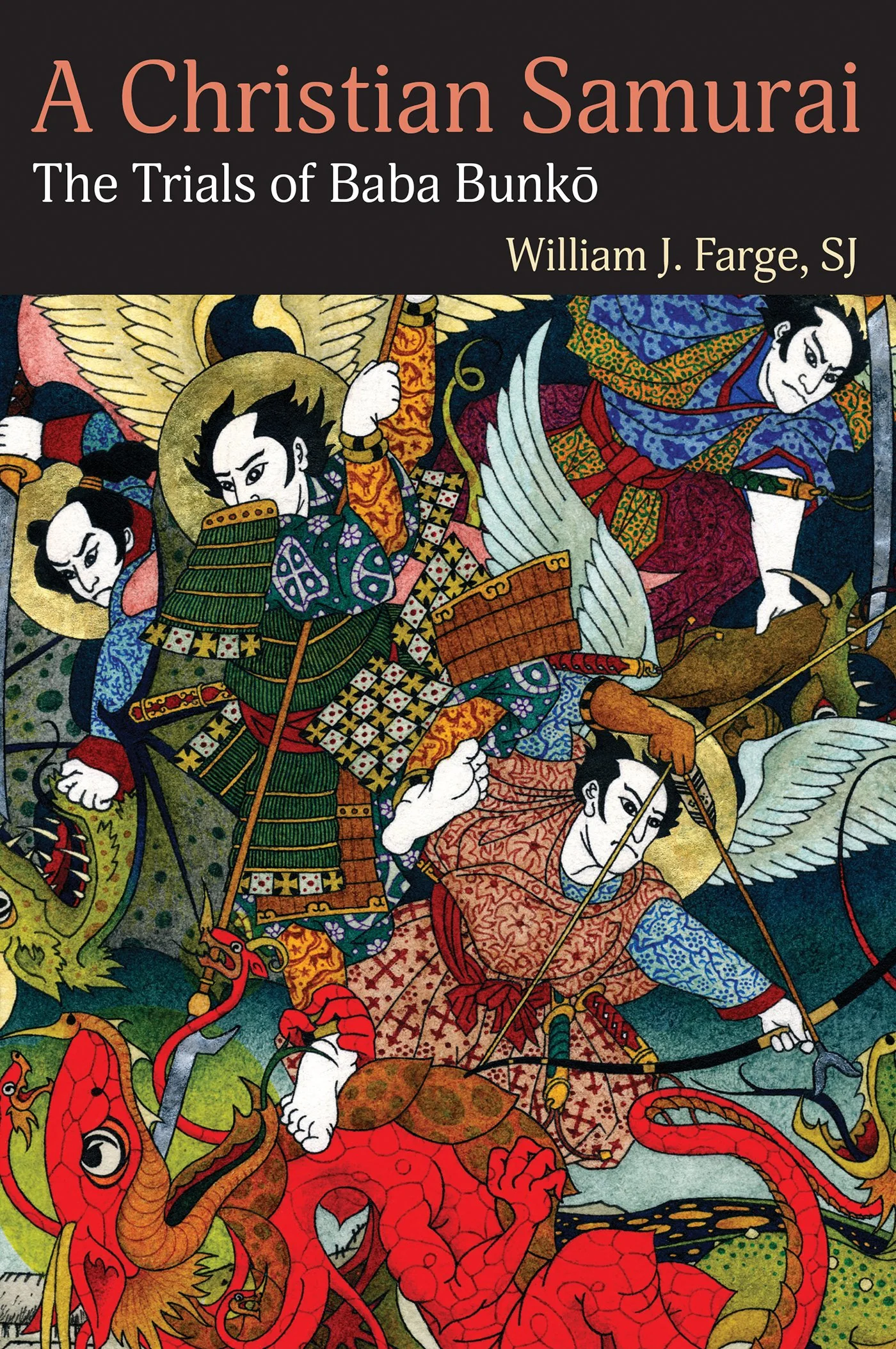
Although Japanese scholars have acclaimed Baba Bunko (1718-1759) as the most outstanding essayist and public speaker of the Tokugawa period (1603-1868). Western historians of Japan have long ignored him. This is because Bunko's very existence contradicts the historical narrative that they have constructed. According to that narrative, Christianity in Japan ceased to exist by 1640, except in small, scattered communities, centered mainly on the Nagasaki area.
Through a close critical analysis of Baba Bunko's often humorous, but always biting, satirical essays a new picture of the hidden world of Christianity in eighteenth-century Japan emerges - a picture that contradicts the generally-held belief among Western historians that the Catholic mission in Japan ended in failure. A Christian Samurai will surprise many readers when they discover that Christian moral teachings not only survived the long period of persecution but influenced Japanese society throughout the Tokugawa period.
Bunko's bold assertion that a representation of the Eucharist would be more appropriate as a symbol for Japan than the coat of arms of the emporer or the insignia of the shogun would eventually lead to his arrest, trial, and execution. The legal proceedings against him reveal the government's embarrassment at the failure of its attempts to eliminate Christianity.
This historical and literary study focuses on the personal as well as the public lives of many of the historical figures who were prominent in politics, philosophy, religion, and culture in the eighteenth century. The decadent state of Buddhism, the decline of Confucianism, and the popularity of the Yoshiwara "pleasure" quarters are some of the topics that illuminate this new history of early modern Japan and of the survival of Christianity.
The first complete English translation of Baba Bunko's Contemporary Edo: An Album of One Hundred Monsters is included as an appendix.
ASIN: 0813228514
VSKU: BVV.0813228514.G
Condition: Good
Author/Artist:Farge SJ, William J|Farge, William J.
Binding: Paperback
Note: Any images shown are stock photographs and product may differ from what is shown.
Condition Notes: The item shows wear from consistent use, but it remains in good condition and works perfectly. All pages and cover are intact including the dust cover, if applicable . Spine may show signs of wear. Pages may include limited notes and highlighting. May NOT include discs, access code or other supplemental materials.
ASIN: 0813228514
VSKU: BVV.0813228514.G
Condition: Good
Author/Artist:Farge SJ, William J|Farge, William J.
Binding: Paperback
Note: Any images shown are stock photographs and product may differ from what is shown.
Condition Notes: The item shows wear from consistent use, but it remains in good condition and works perfectly. All pages and cover are intact including the dust cover, if applicable . Spine may show signs of wear. Pages may include limited notes and highlighting. May NOT include discs, access code or other supplemental materials.
Description
Although Japanese scholars have acclaimed Baba Bunko (1718-1759) as the most outstanding essayist and public speaker of the Tokugawa period (1603-1868). Western historians of Japan have long ignored him. This is because Bunko's very existence contradicts the historical narrative that they have constructed. According to that narrative, Christianity in Japan ceased to exist by 1640, except in small, scattered communities, centered mainly on the Nagasaki area.
Through a close critical analysis of Baba Bunko's often humorous, but always biting, satirical essays a new picture of the hidden world of Christianity in eighteenth-century Japan emerges - a picture that contradicts the generally-held belief among Western historians that the Catholic mission in Japan ended in failure. A Christian Samurai will surprise many readers when they discover that Christian moral teachings not only survived the long period of persecution but influenced Japanese society throughout the Tokugawa period.
Bunko's bold assertion that a representation of the Eucharist would be more appropriate as a symbol for Japan than the coat of arms of the emporer or the insignia of the shogun would eventually lead to his arrest, trial, and execution. The legal proceedings against him reveal the government's embarrassment at the failure of its attempts to eliminate Christianity.
This historical and literary study focuses on the personal as well as the public lives of many of the historical figures who were prominent in politics, philosophy, religion, and culture in the eighteenth century. The decadent state of Buddhism, the decline of Confucianism, and the popularity of the Yoshiwara "pleasure" quarters are some of the topics that illuminate this new history of early modern Japan and of the survival of Christianity.
The first complete English translation of Baba Bunko's Contemporary Edo: An Album of One Hundred Monsters is included as an appendix.
ASIN: 0813228514
VSKU: BVV.0813228514.G
Condition: Good
Author/Artist:Farge SJ, William J|Farge, William J.
Binding: Paperback
Note: Any images shown are stock photographs and product may differ from what is shown.
Condition Notes: The item shows wear from consistent use, but it remains in good condition and works perfectly. All pages and cover are intact including the dust cover, if applicable . Spine may show signs of wear. Pages may include limited notes and highlighting. May NOT include discs, access code or other supplemental materials.
ASIN: 0813228514
VSKU: BVV.0813228514.G
Condition: Good
Author/Artist:Farge SJ, William J|Farge, William J.
Binding: Paperback
Note: Any images shown are stock photographs and product may differ from what is shown.
Condition Notes: The item shows wear from consistent use, but it remains in good condition and works perfectly. All pages and cover are intact including the dust cover, if applicable . Spine may show signs of wear. Pages may include limited notes and highlighting. May NOT include discs, access code or other supplemental materials.